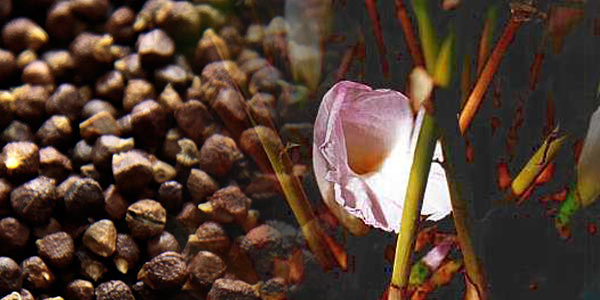
Grains of Paradise, spicy and with a flavor similar to black pepper, is the common name given to a spice obtained from the berries of the Aframomum melegueta plant, which belongs to the ginger family. It is cultivated in West Africa, with most imports coming from Ghana.
It is also known as African pepper cardamom, African melegueta pepper, melegueta pepper, Guinea grains, or Grains of Paradise.
The seeds are reddish-brown and about 3 millimeters in size, and when ground, they become a pale gray powder.
When spices were in high demand during the 15th century, Grains of Paradise were highly valued as a substitute for black pepper. However, black pepper later became the preferred spice, and Grains of Paradise began to be used primarily as a beer flavoring.
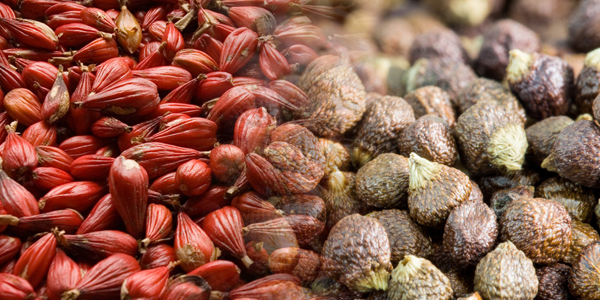
Properties and Uses
Grains of Paradise, or Guinea pepper, have digestive, anti-inflammatory, and antioxidant properties, and may help activate metabolism and support fat burning. They are rich in bioactive compounds and, according to tradition, also act as stimulants and aphrodisiacs.
Medicinal Properties
- Antioxidant and anti-inflammatory: Their compounds help fight free radicals and reduce inflammation in the body.
- Digestive: They help relieve stomach issues and improve digestion.
- Metabolic activators: They may increase resting energy expenditure and promote fat loss.
- Stimulants: Traditionally used to stimulate the nervous system and circulation. Chewing the seeds can produce a warming effect on the body.
Culinary Use
- Flavoring: They add a warm, spicy taste with sweet and sour notes to soups, stews, and sauces.
- Digestive aid: They help relieve stomach discomfort and improve digestion.
- Aromatic enhancer: Whole seeds can be added to coffee or tea to give them a spiced touch.
- Stimulant: Traditionally used to stimulate the nervous system and circulation.
- Brewing: Used to flavor craft beers such as Belgian Pale Ales and Tripels.