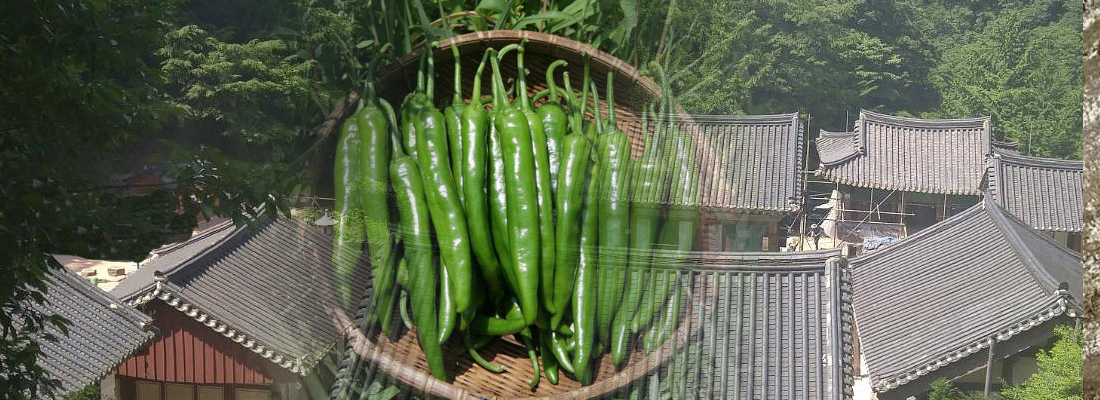
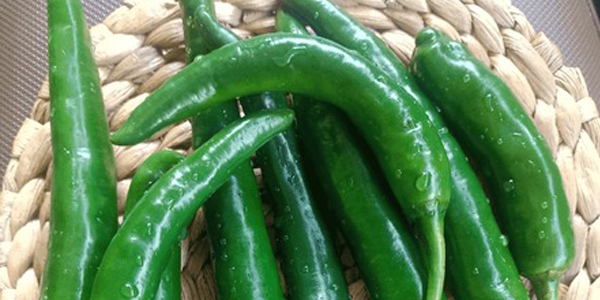
The Cheongyang pepper, a variety of Capsicum annuum, is a medium-sized chili with intense heat, hotter than regular Korean green peppers. This variety, a local specialty of Cheongyang County in Korea, was developed through hybridization between a local pepper from Jeju Island and a Thai chili.
It is a medium-sized chili, long, thin, and slightly curved. It is green when unripe and turns a deep red when fully ripe. It has a sharp, herbal flavor with a subtly sweet or citrusy note when green, becoming sweeter and more floral as it ripens and dries.
With a heat level ranging from 10,000 to 23,000 Scoville Heat Units, it is used in dishes such as tteokbokki (rice cakes) and spicy stir-fried pork. It is also a popular ingredient in kimchi and is added to dishes like ramen to give them a spicy kick.
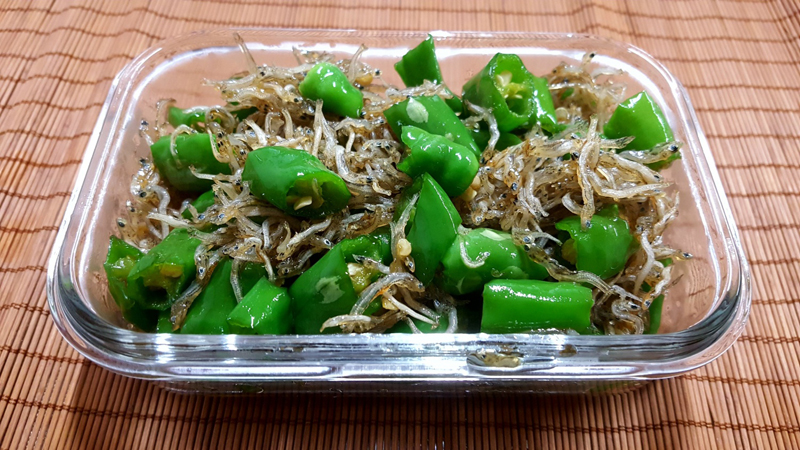
Anchovies with Cheongyang Peppers
Ingredients
- 10 chilies
- 250 grams of anchovies
- Soy sauce
- Olive oil
- 1 tablespoon of wine
- Salt and sugar
Preparation
- Cut the Cheongyang peppers into 1 cm pieces, lightly fry them in olive oil, and then season with soy sauce.
- Dry anchovies are roasted over medium heat in a dry pan, and then a fried Cheongyang pepper is added.
- Mix the anchovies, chilies, and wine well, then add salt and sugar.
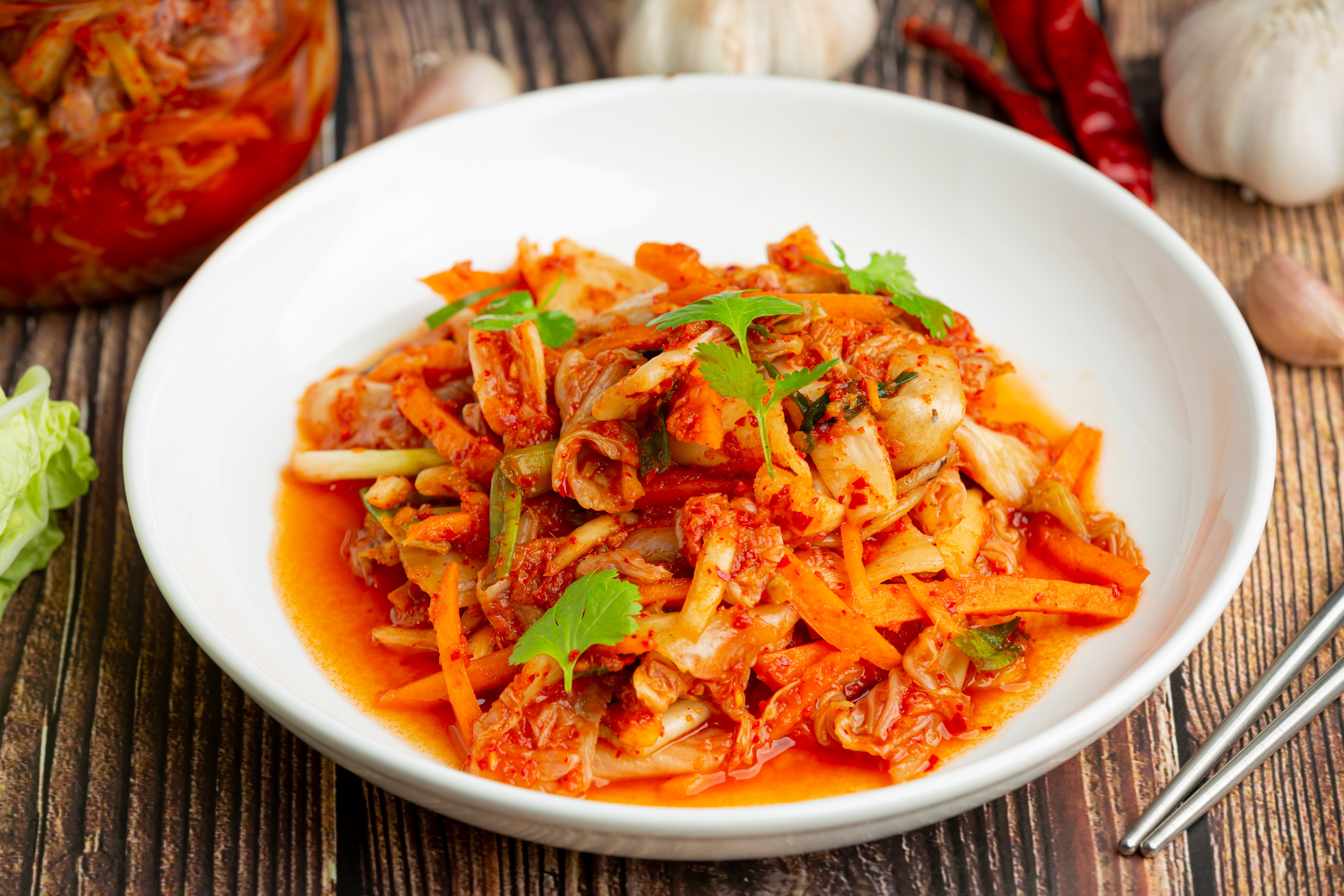
Kimchi
Ingredients
- 1 head of napa cabbage
- 2 carrots
- 1 radish
- 6 Chinese spring onions
- Salt
- 40 g Cheongyang chili
- 280 ml water
- 20 g rice flour
- 30 g sugar
- 50 g fresh ginger
- 5 garlic cloves
Preparation
- Cut the cabbage into 4 cm pieces and place them in a bowl.
- Add plenty of salt and let it release water for one hour.
- Grind the chilies until powdered.
- Peel and chop the ginger and garlic, then add them together with the chilies and a splash of water. Blend into a paste.
- Boil the water and mix it with the glutinous rice flour and sugar.
- Whisk the water with the flour and chilies until forming a smooth paste.
- Peel and cut the radish into sticks. Peel and julienne the carrots. Cut the Chinese spring onions into 2–3 cm pieces.
- Drain the cabbage, then wash it thoroughly to remove excess salt. Drain again and transfer to a large bowl along with the chopped vegetables.
- Add the chili marinade and mix until all the cabbage is fully coated.
- Place the cabbage mixture into a jar, seal it, and leave it in a dark place at around 20°C for 2 days.
- Store the kimchi in the refrigerator, where it will keep for a long time.