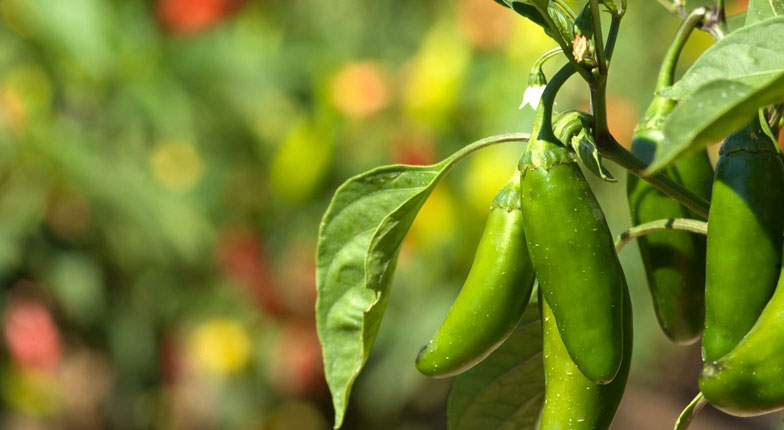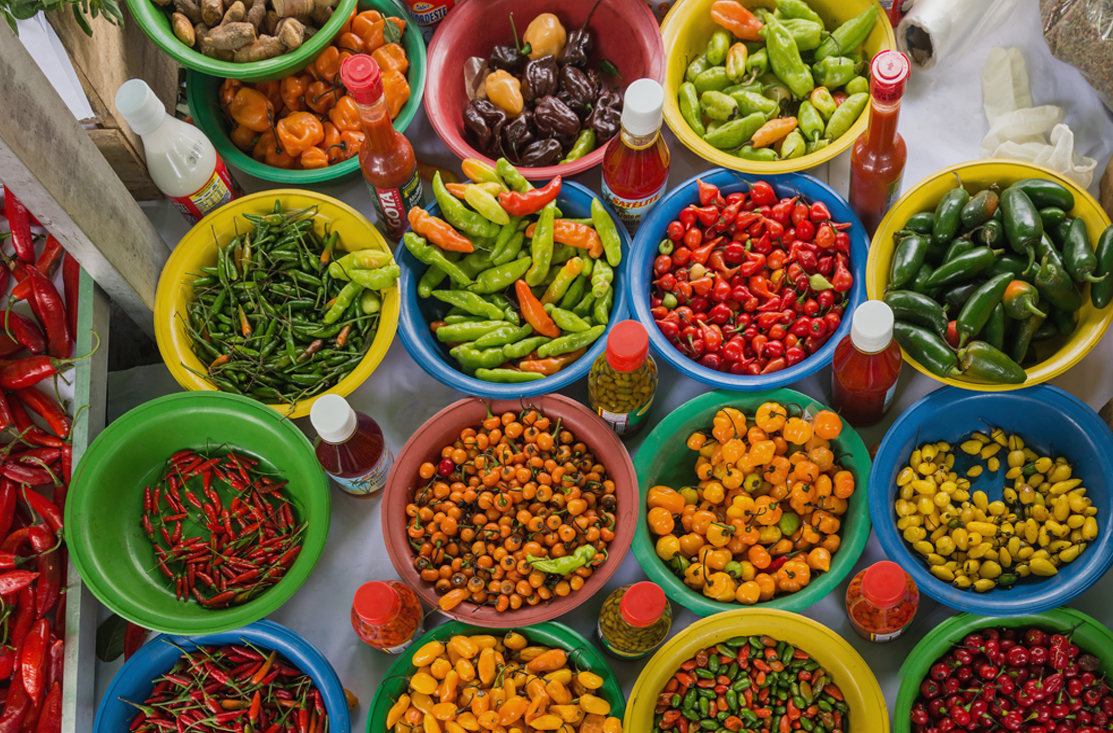
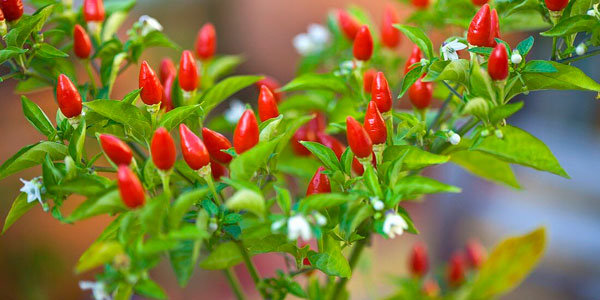
Hot peppers, technically known as fruits of the Capsicum genus, originate from the tropical and subtropical regions of Central and South America, specifically in areas that today comprise Mexico, Bolivia, and Peru. Following the arrival of European colonizers in the 15th century, these plants quickly spread throughout the world, becoming deeply integrated into Asian and African cuisines.
Currently, global production is led by China, which remains the world's largest producer by far, followed by Mexico, Turkey, Indonesia, and India, countries where the warm climate favors the cultivation of its diverse varieties.
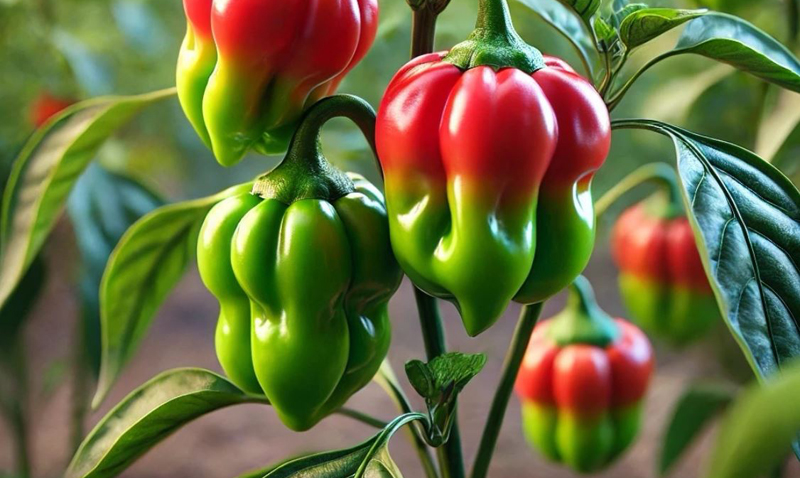
Properties of spiciness
Spiciness, whose main active component is capsaicin, offers antioxidant, anti-inflammatory, and analgesic properties that benefit cardiovascular and digestive health. It helps control blood pressure and improves circulation. Additionally, it stimulates the release of endorphins and acts as a salt substitute.
Detail of the main properties and benefits of spiciness:
Powerful analgesic and anti-inflammatory: Capsaicin acts on pain receptors, providing relief for muscle and joint pain, and even for migraines.
Metabolism booster: It increases body temperature and promotes calorie burning, which helps in weight management and generates a greater sense of satiety.
Cardiovascular and circulatory health: It helps reduce "bad" cholesterol (LDL) levels and improve circulation, decreasing arterial inflammation.
Improves digestion and the immune system: It stimulates gastric secretions and acts as an antibacterial, besides being rich in vitamin C, which strengthens defenses.
Effect on mood: The sensation of heat stimulates the release of endorphins and dopamine, the neurotransmitters of well-being.
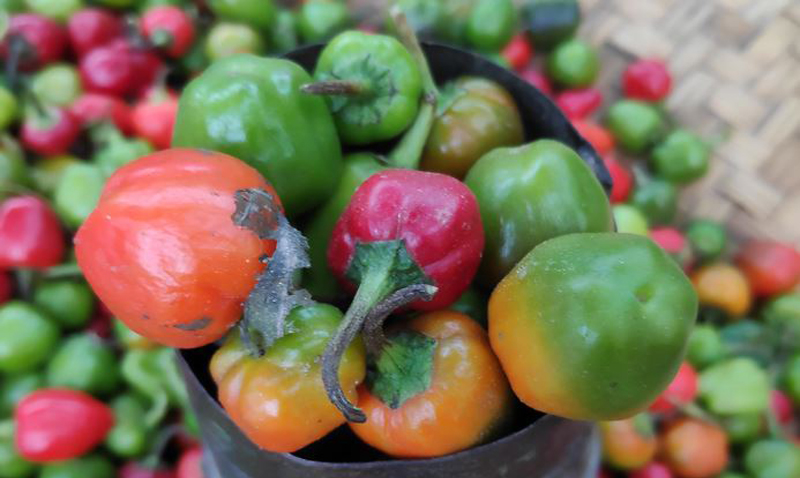
Uses of capsaicin
Capsaicin is an active compound extracted from chili peppers (hot peppers) that possesses a wide variety of therapeutic and industrial applications due to its unique ability to interact with the body's pain receptors.
Medical and pharmaceutical uses are its most widespread application, especially in topical treatments:
Musculoskeletal pain relief: It is used in over-the-counter creams and patches to relieve minor aches caused by arthritis, back pain, strains, and sprains.
Neuropathic pain: High-concentration patches (8%) are used to treat intense pain such as post-herpetic neuralgia or diabetic neuropathy, acting on "substance P" to block the pain signal to the brain.
Dermatological treatments: Its use is being researched to reduce itching and plaques in patients with psoriasis.
Other benefits: It has anti-inflammatory and antioxidant properties, and its potential in anti-obesity and anti-cancer treatments is being studied.
Food Industry and Supplements
Seasoning: It is the primary ingredient that provides spicy flavor globally.
Weight control: It is used in supplements to burn calories and reduce appetite by increasing metabolism.
Preservation: It is used in the meat industry for its antimicrobial properties to improve food preservation.
Industrial and Safety Uses
Self-defense: It is the active component of pepper spray, causing severe temporary irritation to eyes and mucous membranes.
Repellent: It is used in agricultural and domestic settings as a repellent for rodents and other animals.
Nautical varnishes: It is added to paints for boat hulls to prevent algae and mollusks from attaching.
Sports Performance
Fatigue reduction: Some studies suggest that it helps delay muscle fatigue and improves fatty acid oxidation during exercise, although excess can cause gastrointestinal discomfort.
How the heat of chilies is measured:
The Scoville Scale is the universal measurement used to determine the degree of heat or pungency of peppers. It was created in 1912 by the American pharmacist Wilbur Scoville, who sought a way to quantify how much capsaicin each fruit contained.
How does the measurement work?
Originally, the method was subjective and based on the Scoville Organoleptic Test: An oil extract of the pepper was diluted in sugar water and a committee of five testers tasted the mixture. More sugar water was added until the heat was imperceptible.
For example, if a pepper has 2,500 SHU (Scoville Heat Units), it means its extract had to be diluted 2,500 times before the testers stopped feeling the fire.
Nowadays, this process is much more accurate thanks to High-Performance Liquid Chromatography (HPLC), which directly measures the chemical concentration of capsaicin without the need to burn human tongues.